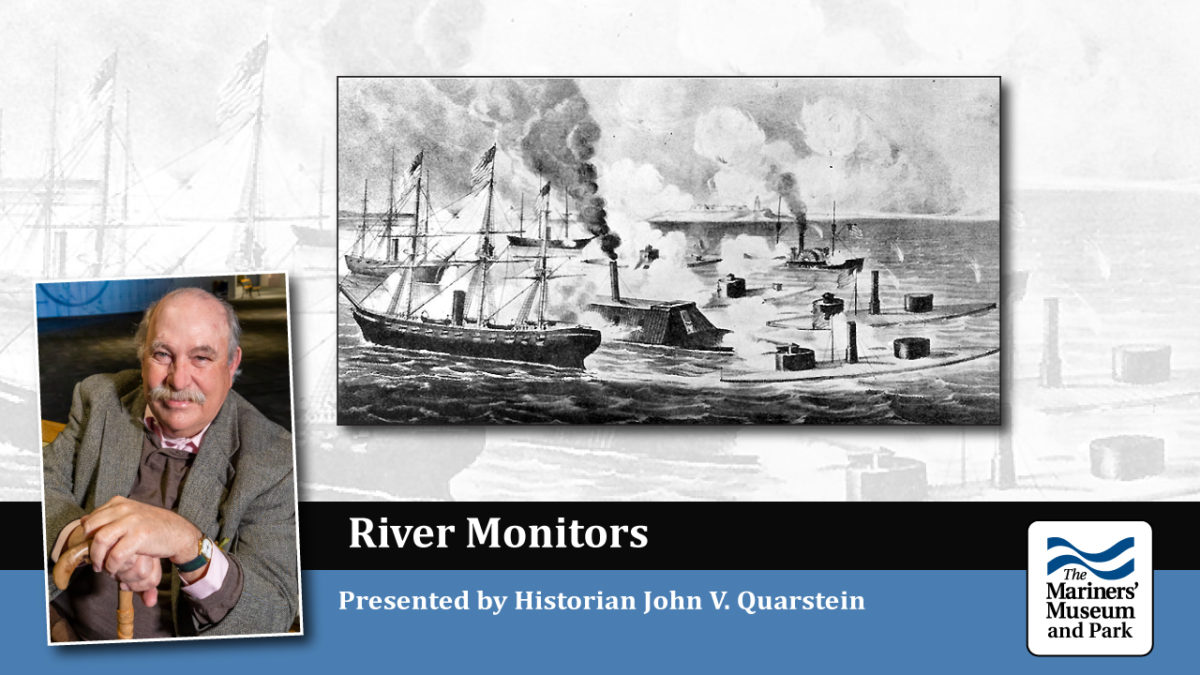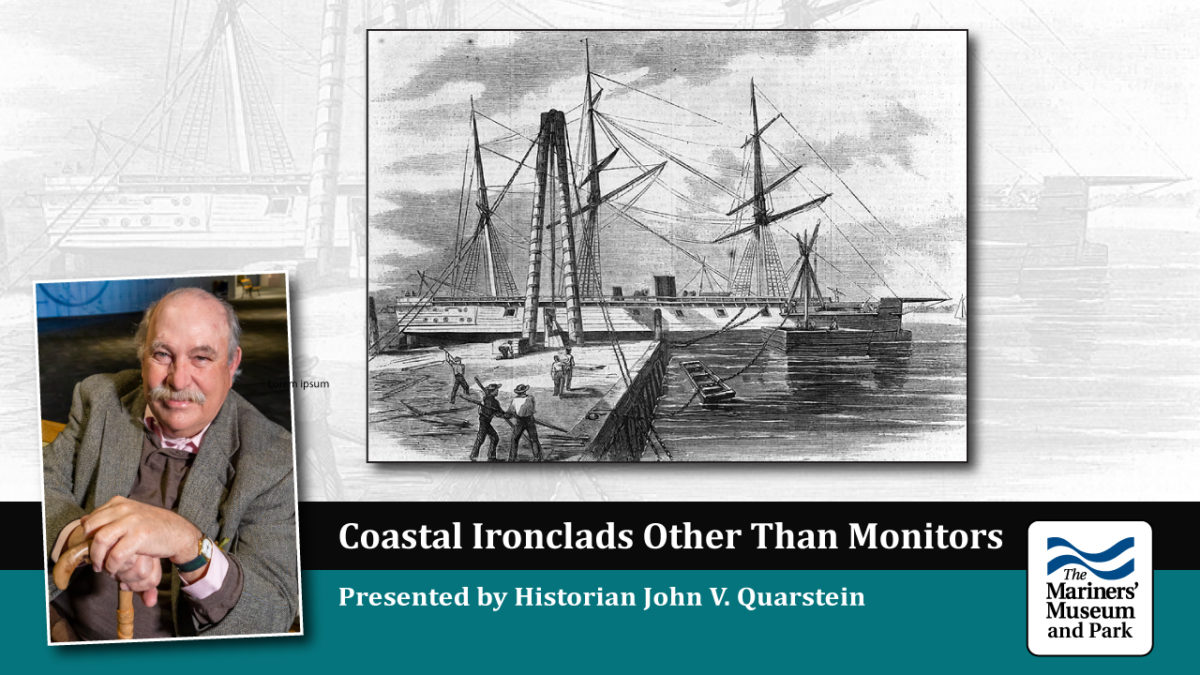
Coastal Ironclads Other Than Monitors

Posted on
Inventor John Ericsson, ca. 1862. Photographer unknown.
Courtesy of Naval History and Heritage Command # NH 305.

The American Civil War is often considered the first modern industrial war. Both North and South endeavored to mobilize their resources to wage total war. This experience revolutionized naval warfare, and in doing so, forever changed America’s political, social, and economic fabric.

Proponents of seapower had witnessed significant changes in ordnance, motive power, and ship design during the first half of the 19th century. Confederate Secretary of the Navy Stephen Russell Mallory was the first to recognize that a new class of vessels, hitherto unknown in naval service, was needed. Mallory knew the possession of an armored ship was a matter of first necessity. The question then begged an answer: How could the agrarian South create such a warship? [1]Read more

River Monitors

Posted on
密西西比州和俄亥俄河的地图。
Courtesy OhioRiverCorridor.com.

At the onset of the Civil War, General Winfield Scott noted that a Union victory could be achieved by controlling the Mississippi River. Scott believed the entire Mississippi Valley could be controlled using only 12 to 20 gunboats and 60,000 soldiers. More resources would eventually be needed; however, the Federals ultimately enabled, as President Abraham Lincoln said, the ‘Father of All Rivers to flow unvexed to the sea.’

Because the Secretary of the Navy Gideon Welles was preoccupied with establishing a blockade of the Confederate coastline, he placed control of the Western Gunboat Flotilla to the War Department. This action would give a strong unity of command as the Union army and naval forces endeavored to wrestle the river from the Confederacy. Commander John Rodgers was initially placed in command of the flotilla; however, he was soon replaced by Flag Officer Andrew Hull Foote.Read more

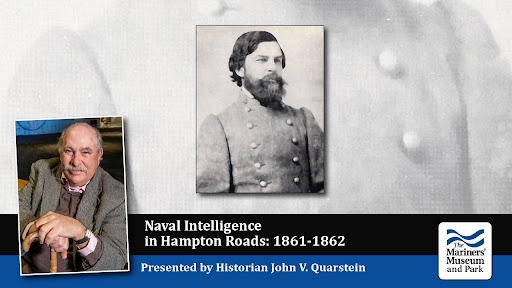
汉普顿道路的海军情报:1861-1862

Posted on
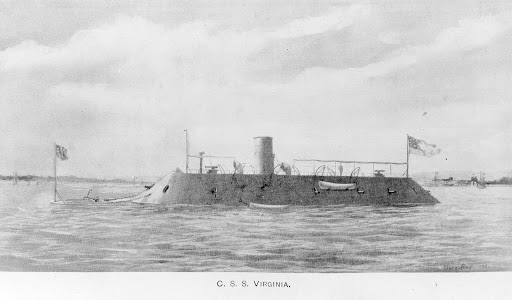
CSS Virginia.
The Mariners’ Museum.

There was no formal naval intelligence system established during the American Civil War. While a few examples exist of Northern sympathizers, free Blacks, like Mary Louvestre of Portsmouth, sent messages to various Union commanders about the Confederate ironclad construction effort. These links were unofficial and were generally between one Union officer and an individual. The Union nor the Confederacy needed to rely on such clandestine methods since Northern and Southern newspapers provided ample information, usually in a boastful manner. Each antagonist simply needed to obtain a copy ofThe New York Times或者Mobile Registerto gather all they needed to know about ironclad development.

Union intelligence was able to receive valuable knowledge about theconstruction and impending attack of CSSVirginia. The information appeared to flow back and forth across Hampton Roads. On October 6, 1861, Major General John Ellis Wool, stationed at Fort Monroe as commander of the Union Department of Virginia, wrote to Lieutenant General Winfield Scott:Read more

USS Cumberland – Sink Before Surrender

Posted on
U.S. Frigate Cumberland. Lithograph. Published by Currier & Ives,
ca. 1843-1848. Courtesy of Library of Congress.

USSCumberland,flagship of the US Navy’s Home Squadron, was dispatched to Gosport Navy Yard, Portsmouth, Virginia, upon the sloop’s return from a brief cruise to Veracruz, Mexico. It was hoped that the warship’s presence would deter any effort to capture the yard during the secession crisis. Gosport was the largest and most advanced navy yard in the United States. Besides its granite dry dock and other ship repair/construction facilities, Gosport housed 14 warships, including the steam screw frigate USS Merrimack等待维修和其他像US一样的其他人Raritan. TheCumberland, then commanded by Captain Garrett J. Pendergrast, was anchored just off Gosport so its firepower could be utilized to defend the yard or cover the release of ships.

Three days afterVirginialeft the Union on April 17, the Union abandoned the yard.Cumberland’screw helped to destroy the facility and various ships. By 4:20 a.m. on April 21,Cumberland, loaded with sailors and Marines, was towed out of the yard by USSPawneesupported by the tug USS Yankee.Cumberlandslowly passed the burningMerrimack,not realizing that what seemed to be a burning hulk would become the sloop’s death knell less than one year later.Read more

The Capture of Hatteras Inlet

Posted on
Map of Cape Hatteras. Courtesy of weather.com

The first combined operation of the Civil War was the capture of Hatteras Inlet. This inlet was used by Confederate gunboats and privateer merchantmen sailing around Cape Hatteras, North Carolina. These Southern commerce raiders’ depreciation was lucrative for the Carolinians; however, Northern losses became so significant that several major maritime insurance brokers demanded something be done about this situation. This prompted the development of the Union’s Hatteras Inlet operation. [1]

北卡罗来纳州的外银行

北卡罗来纳州的声音从弗吉尼亚边境到达北卡罗来纳州东部边界的Cape Lookout到达。可以使用四个主要入口来从声音中到达大西洋:哈特拉斯,俄勒冈州,奥克拉科克和博福特(旧入口)。Hatteras Inlet最适合商业突袭。哈特拉斯角(Cape Hatteras)是同盟国中最东端,俯瞰海湾流。这种电流在纽约,加勒比海和南美等北部港口之间的商船交易中非常受欢迎。使用哈特拉斯角(Cape Hatteras Lighthouse),同盟国可以向等待袭击者表示诱惑商人目标。北卡罗来纳州州长约翰·埃利斯(John Ellis)于1861年4月27日写道:“敌人的商业可能会被卡罗来纳州海岸的私人割断。”[2]Read more